ЛЕКСИКО-ГРАММАТИЧЕСКИЕ ТЕСТЫ ДЛЯ СТУДЕНТОВ ПО СПЕЦИАЛЬНОСТИ 13.02.13 ЭКСПЛУАТАЦИЯ И ОБСЛУЖИВАНИЕ ЭЛЕКТРИЧЕСКОГО И ЭЛЕКТРОМЕХАНИЧЕСКОГО ОБОРУДОВАНИЯ (ПО ОТРОСЛЯМ)
Предпросмотр материала:
БЮДЖЕТНОЕ ПРОФЕССИОНАЛЬНОЕ ОБРАЗОВАТЕЛЬНОЕ УЧРЕЖДЕНИЕ
ОМСКОЙ ОБЛАСТИ
«ОМСКИЙ АВИАЦИОННЫЙ КОЛЛЕДЖ ИМЕНИ Н.Е.ЖУКОВСКОГО»
ЛЕКСИКО-ГРАММАТИЧЕСКИЕ ТЕСТЫ ДЛЯ СТУДЕНТОВ ПО СПЕЦИАЛЬНОСТИ
13.02.13 ЭКСПЛУАТАЦИЯ И ОБСЛУЖИВАНИЕ ЭЛЕКТРИЧЕСКОГО И ЭЛЕКТРОМЕХАНИЧЕСКОГО ОБОРУДОВАНИЯ (ПО ОТРОСЛЯМ)
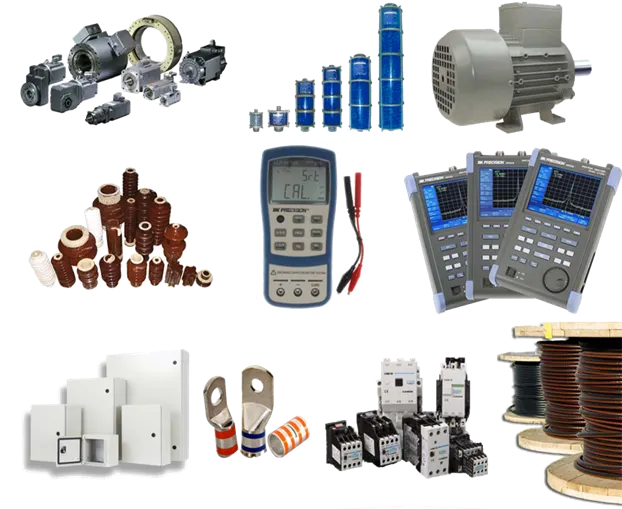
Составили:
Антонова О.Н
Маслакова Л.М.
2026
3 семестр
Test №1
English Grammar Test: Present, Past, and Future Simple Tenses in Context
Question 1:
Every day, students __________ (study / studied / will study) English __________ (for / since / during) their courses to improve their communication skills.
a) study / for
b) studied / during
c) will study / since
d) study / since
Answer: a) study / for
Question 2:
Last year, I __________ (attend / attended / will attend) a professional seminar where I __________ (learn / learned / will learn) new techniques for language teaching.
a) attend / learn
b) attended / learned
c) will attend / learn
d) attend / learned
Answer: b) attended / learned
Question 3:
Tomorrow, my colleagues __________ (join / joined / will join) an online workshop to enhance their translation skills. They __________ (practice / practiced / will practice) new tools for language interpretation.
a) join / practice
b) joined / practiced
c) will join / will practice
d) join / practiced
Answer: c) will join / will practice
Question 4:
Usually, I __________ (use / used / will use) various online resources to improve my vocabulary, and I __________ (find / found / will find) it very effective.
a) use / find
b) used / found
c) will use / will find
d) use / found
Answer: a) use / find
Question 5:
When I __________ (start / started / will start) my language studies, I __________ (not / never / always) imagined I __________ (be / was / will be) able to communicate with native speakers.
a) start / not / will be
b) started / never / will be
c) start / always / be
d) started / not / be
Answer: b) started / never / will be
Question 6:
Next week, the company __________ (organize / organized / will organize) a training session for employees to improve their foreign language skills. They __________ (require / required / will require) all staff to participate.
a) organize / require
b) organized / required
c) will organize / will require
d) organize / required
Answer: c) will organize / will require
Question 7:
Currently, I __________ (translate / translated / will translate) documents for my project, and I __________ (hope / hoped / will hope) to finish by the end of the day.
a) translate / hope
b) translated / hoped
c) will translate / hope
d) translate / hoped
Answer: a) translate / hope
Question 8:
Last month, my university __________ (offer / offered / will offer) a new course on language applications in business. Many students __________ (register / registered / will register) for it.
a) offer / register
b) offered / registered
c) will offer / register
d) offer / registered
Answer: b) offered / registered
Question 9:
In the future, I __________ (plan / planned / will plan) to participate in international language exchanges because I __________ (want / wanted / will want) to improve my speaking skills.
a) plan / want
b) planned / wanted
c) will plan / want
d) plan / wanted
Answer: c) will plan / want
Question 10:
Normally, I __________ (prepare / prepared / will prepare) my lessons with multimedia tools, and I __________ (believe / believed / will believe) that it __________ (help / helped / will help) my students learn faster.
a) prepare / believe / help
b) prepared / believed / helped
c) will prepare / will believe / will help
d) prepare / believe / helped
Answer: a) prepare / believe / help
Test №2
Vocabulary and Grammar Test: Plural Nouns in Context (My Profession)
Question 1:
Many __________ (student / students) attend language classes to improve their __________ (skill / skills).
a) student / skill
b) students / skills
c) students / skill
d) student / skills
Answer: b) students / skills
Question 2:
During my linguistic research, I analyzed several __________ (document / documents) and noted their __________ (format / formats).
a) document / formats
b) documents / format
c) documents / formats
d) document / format
Answer: c) documents / formats
Question 3:
The university offers many __________ (course / courses) in translation and interpretation, which help students develop their __________ (competence / competences).
a) course / competence
b) courses / competences
c) courses / competence
d) course / competences
Answer: b) courses / competences
Question 4:
Last year, I translated several __________ (text / texts) and learned new __________ (vocabulary / vocabularies) for my work.
a) text / vocabularies
b) texts / vocabulary
c) texts / vocabularies
d) text / vocabulary
Answer: c) texts / vocabularies
Question 5:
My colleagues have many __________ (project / projects) in progress, and each __________ (project / projects) requires careful planning.
a) project / projects
b) projects / project
c) project / project
d) projects / projects
Answer: a) projects / projects
Question 6:
In the library, I found several __________ (book / books) about phonetics, and I borrowed many __________ (volume / volumes).
a) books / volumes
b) book / volumes
c) books / volume
d) book / volume
Answer: a) books / volumes
Question 7:
The training session included various __________ (technique / techniques) to improve translation accuracy. Participants practiced different __________ (method / methods).
a) technique / methods
b) techniques / method
c) techniques / methods
d) technique / method
Answer: c) techniques / methods
Question 8:
During my studies, I used many __________ (software / softwares) for language learning, and I found several useful __________ (application / applications).
a) software / applications
b) softwares / application
c) software / application
d) softwares / applications
Answer: a) software / applications
Question 9:
I have attended numerous __________ (conference / conferences) about linguistics where experts presented new __________ (theory / theories).
a) conference / theories
b) conferences / theories
c) conference / theory
d) conferences / theory
Answer: b) conferences / theories
Question 10:
My job involves reviewing many __________ (document / documents) and creating detailed __________ (report / reports) for my clients.
a) documents / reports
b) document / report
c) documents / report
d) document / reports
Answer: a) documents / reports
Test №3
Personal and Possessive Pronouns in a Job Interview Context
Question 1:
My __________ (name / names) is Sarah, and this is __________ (my / mine) resume.
a) name / my
b) names / mine
c) name / mine
d) names / my
Answer: a) name / my
Question 2:
During the interview, I explained that __________ (I / me) have __________ (my / mine) experience in project management.
a) I / my
b) me / mine
c) I / mine
d) me / my
Answer: a) I / my
Question 3:
The interviewer asked if __________ (you / your) are familiar with __________ (your / yours) team’s work.
a) you / your
b) your / your
c) you / yours
d) your / yours
Answer: a) you / your
Question 4:
I mentioned that __________ (my / mine) skills include excellent communication and problem-solving. __________ (This / These) are __________ (my / mine) strongest qualities.
a) my / This / my
b) mine / These / mine
c) my / These / my
d) mine / This / mine
Answer: c) my / These / my
Question 5:
The manager asked whether __________ (I / me) could handle __________ (my / mine) responsibilities independently.
a) I / my
b) me / mine
c) I / mine
d) me / my
Answer: a) I / my
Question 6:
I explained that __________ (my / mine) previous employer was satisfied with __________ (my / mine) performance.
a) my / my
b) mine / my
c) my / mine
d) mine / mine
Answer: a) my / my
Question 7:
The HR representative asked about __________ (your / yours) availability for the next interview. I said __________ (my / mine) schedule is flexible.
a) your / my
b) yours / my
c) your / mine
d) yours / mine
Answer: a) your / my
Question 8:
I was asked to describe __________ (my / mine) strengths, and I said that __________ (my / mine) communication skills are excellent.
a) my / my
b) mine / my
c) my / mine
d) mine / mine
Answer: a) my / my
Question 9:
The interviewers wanted to know if __________ (you / your) are comfortable working in a team and if __________ (your / yours) skills are up to the task.
a) you / your
b) your / your
c) you / yours
d) your / yours
Answer: a) you / your
Question 10:
I assured them that __________ (I / me) am very dedicated, and __________ (my / mine) motivation will help me succeed in this role.
a) I / my
b) me / mine
c) I / mine
d) me / my
Answer: a) I / my
Test №4
Environmental Issues and Climate Change: 'to be' and 'to have' Test
Question 1:
The carbon emissions __________ (are / is) a major contributor to climate change, and the world __________ (has / have) to find sustainable solutions.
a) are / has
b) is / have
c) are / have
d) is / has
Answer: a) are / has
Question 2:
Many forests __________ (are / is) being cut down every year, which __________ (has / have) a negative impact on biodiversity.
a) are / has
b) is / have
c) are / have
d) is / has
Answer: a) are / has
Question 3:
Global temperatures __________ (are / is) rising rapidly, and this __________ (has / have) caused an increase in natural disasters.
a) are / has
b) is / have
c) are / have
d) is / has
Answer: a) are / has
Question 4:
The pollution in oceans __________ (is / are) threatening marine life, and many species __________ (have / has) become endangered because of it.
a) is / have
b) are / has
c) is / has
d) are / have
Answer: a) is / have
Question 5:
Renewable energy sources such as wind and solar power __________ (are / is) essential to reduce dependence on fossil fuels, and they __________ (have / has) fewer environmental impacts.
a) are / have
b) is / has
c) are / has
d) is / have
Answer: a) are / have
Question 6:
The ice caps __________ (are / is) melting at an unprecedented rate, and this __________ (has / have) serious consequences for sea levels.
a) are / has
b) is / have
c) are / have
d) is / has
Answer: a) are / has
Question 7:
Many environmental organizations __________ (are / is) working together to combat climate change, and their efforts __________ (have / has) resulted in increased awareness.
a) are / have
b) is / has
c) are / has
d) is / have
Answer: a) are / have
Question 8:
The climate crisis __________ (is / are) a global problem, and everyone __________ (have / has) a role to play in solving it.
a) is / has
b) are / have
c) is / have
d) are / has
Answer: a) is / has
Question 9:
The levels of greenhouse gases __________ (are / is) higher than ever before, and this __________ (has / have) led to unpredictable weather patterns.
a) are / has
b) is / have
c) are / have
d) is / has
Answer: a) are / has
Question 10:
To protect the environment, governments __________ (have / has) implemented policies, and citizens __________ (have / has) started recycling and saving energy.
a) have / have
b) has / have
c) have / has
d) has / have
Answer: a) have / have
Test №5
Health and Wellness: Present, Past, and Future Continuous Tense Test
Question 1:
Right now, I __________ (am / is / are) __________ (feeling / feel / felt) tired because I __________ (am / was / will be) __________ (sleeping / sleep / slept) poorly last night.
a) am / feeling / am / sleeping
b) is / feel / was / sleep
c) am / feeling / was / sleeping
d) are / felt / will be / sleep
Answer: c) am / feeling / was / sleeping
Question 2:
Yesterday at this time, she __________ (was / were / is) __________ (exercising / exercise / exercised) in the gym while she __________ (was / is / will be) __________ (listening / listen / listened) to music.
a) was / exercising / was / listening
b) were / exercise / is / listening
c) was / exercise / was / listen
d) is / exercising / will be / listening
Answer: a) was / exercising / was / listening
Question 3:
Tomorrow evening, we __________ (will / are / is) __________ (attending / attend / attended) a yoga class, and I __________ (will / am / was) __________ (feeling / feel / felt) more relaxed then.
a) will / attending / will / feeling
b) are / attend / am / feeling
c) will / attending / am / feel
d) are / attending / will / feeling
Answer: a) will / attending / will / feeling
Question 4:
At the moment, he __________ (is / are / was) __________ (resting / rest / rested) because he __________ (has / had / will have) a headache all day.
a) is / resting / has
b) are / rest / had
c) is / rest / will have
d) was / resting / has
Answer: a) is / resting / has
Question 5:
Last week, they __________ (were / was / are) __________ (recovering / recover / recovered) from a cold while they __________ (were / are / will be) __________ (taking / take / took) medication.
a) were / recovering / were / taking
b) was / recover / are / taking
c) were / recovered / will be / take
d) are / recovering / was / take
Answer: a) were / recovering / were / taking
Question 6:
Currently, the doctor __________ (is / are / was) __________ (examining / examine / examined) the patient, who __________ (is / was / will be) __________ (complaining / complain / complained) about chest pain.
a) is / examining / is / complaining
b) are / examine / was / complain
c) is / examined / will be / complaining
d) was / examining / is / complained
Answer: a) is / examining / is / complaining
Question 7:
Next month, I __________ (will / am / was) __________ (undergoing / undergo / underwent) treatment for my allergy, and I __________ (will / am / was) __________ (feeling / feel / felt) better soon.
a) will / undergoing / will / feeling
b) am / undergo / am / feel
c) will / undergo / am / felt
d) are / undergoing / was / feeling
Answer: a) will / undergoing / will / feeling
Question 8:
While she __________ (was / is / were) __________ (sleeping / sleep / slept), her fever __________ (was / is / will be) __________ (gradually / suddenly / rapidly) going down.
a) was / sleeping / was / gradually
b) is / sleep / was / suddenly
c) were / sleeping / will be / rapidly
d) was / sleep / is / gradually
Answer: a) was / sleeping / was / gradually
Question 9:
At this moment, I __________ (am / is / are) __________ (reading / read / readed) a book about healthy habits, and I __________ (am / is / are) __________ (learning / learn / learned) new tips.
a) am / reading / am / learning
b) is / read / are / learning
c) are / reading / is / learn
d) am / read / am / learned
Answer: a) am / reading / am / learning
Question 10:
Last night, we __________ (were / was / are) __________ (discussing / discuss / discussed) our health goals, and we __________ (were / was / are) __________ (feeling / feel / felt) motivated to stay active.
a) were / discussing / were / feeling
b) was / discuss / are / feel
c) were / discussed / are / felt
d) are / discussing / was / feeling
Answer: a) were / discussing / were / feeling
Test №6
Choosing a Major and Study Features: Pronouns Test
Question 1:
__________ (This / That / These / Those) university offers a variety of programs, and __________ (which / who / whom) students can choose their future careers.
a) This / which
b) That / who
c) These / whom
d) Those / which
Answer: a) This / which
Question 2:
The course __________ (that / which / who) I want to study __________ (is / are / be) related to environmental science, and __________ (it / its / they) focuses on climate change.
a) that / is / it
b) which / are / its
c) that / is / it
d) which / be / they
Answer: c) that / is / it
Question 3:
The professor __________ (whose / which / that) teaches the biology class __________ (is / are / has) a lot of experience, and __________ (he / him / his) explains complex topics clearly.
a) whose / is / he
b) which / has / him
c) that / is / he
d) whose / has / his
Answer: a) whose / is / he
Question 4:
I don’t know __________ (what / which / who) field I should choose for my studies, but __________ (any / some / each) of them seems interesting.
a) what / any
b) which / each
c) who / any
d) what / some
Answer: b) which / each
Question 5:
The university __________ (that / which / who) has the best engineering program is located in the city center, and __________ (it / its / they) offers many practical training opportunities.
a) that / it
b) which / its
c) who / they
d) that / its
Answer: a) that / it
Question 6:
__________ (Someone / Anyone / No one) who wants to become a doctor needs to enroll in a medical school, but __________ (it / this / that) requires dedication and hard work.
a) Someone / it
b) Anyone / this
c) No one / that
d) Someone / that
Answer: a) Someone / it
Question 7:
The course __________ (whose / which / that) I enrolled last semester __________ (was / is / are) very challenging, but I learned a lot.
a) that / was
b) which / is
c) whose / are
d) that / be
Answer: a) that / was
Question 8:
I have a question about the program __________ (that / which / who) helps students develop practical skills, and I would like to know __________ (who / which / what) are the main benefits.
a) that / what
b) which / who
c) who / which
d) that / which
Answer: a) that / what
Question 9:
__________ (This / That / These / Those) course, __________ (which / who / whom) I am taking now, __________ (is / are / be) focused on data analysis.
a) This / which / is
b) That / who / are
c) These / which / be
d) Those / who / is
Answer: a) This / which / is
Question 10:
I don’t know __________ (which / what / who) career path I want to follow, but I am considering __________ (several / some / any) options related to technology.
a) which / several
b) what / some
c) who / any
d) which / any
Answer: a) which / several
4 семестр
Test №7
Physics Problems with Numbers, Fractions, Formulas, and Geometric Figures
Question 1:
The speed of a car __________ (is / are / was) __________ (60 / 60th / 1/60) kilometers per hour, and the distance traveled in __________ (an / a / the) hour is 60 km.
a) is / 60 / an
b) are / 60th / a
c) is / 1/60 / the
d) was / 60 / a
Answer: a) is / 60 / an
Question 2:
The volume of a sphere __________ (is / are / was) __________ (4/3)πr^3, where r __________ (is / was / are) the radius of the sphere.
a) is / 4/3 / is
b) are / 4/3 / was
c) is / 4/3 / was
d) was / 4/3 / are
Answer: a) is / 4/3 / is
Question 3:
The area of a rectangle __________ (is / are / was) __________ length times width, and if the length __________ (is / was / are) 5 m and width 3 m, then the area __________ (is / are / was) 15 m².
a) is / length * width / is / is
b) are / length / was / was
c) is / length / is / was
d) was / length * width / are / is
Answer: a) is / length * width / is / is
Question 4:
The Pythagorean theorem __________ (states / state / stated) that in a right triangle, the square of the hypotenuse __________ (is / are / was) equal to the sum of the squares of the legs.
a) states / is
b) state / are
c) stated / was
d) states / are
Answer: a) states / is
Question 5:
The circumference of a circle __________ (is / are / was) __________ 2πr, where r __________ (is / was / are) the radius. If r = 7 cm, then the circumference __________ (is / are / was) approximately 44 cm.
a) is / 2πr / is / is
b) are / 2πr / was / was
c) is / 2πr / was / is
d) was / 2πr / is / are
Answer: a) is / 2πr / is / is
Question 6:
The area of a triangle __________ (can / could / is) be calculated using the formula ½ * base * height, and if the base __________ (is / was / are) 10 m and height 4 m, then the area __________ (is / are / was) 20 m².
a) can / is / is
b) could / was / was
c) can / is / was
d) could / are / is
Answer: a) can / is / is
Question 7:
The volume of a cylinder __________ (is / are / was) __________ πr^2h, where r __________ (is / was / are) the radius and h the height. If r = 3 cm and h = 10 cm, then the volume __________ (is / are / was) approximately 282.7 cm³.
a) is / πr^2h / is / is
b) are / πr^2h / was / was
c) is / πr^2h / was / is
d) was / πr^2h / is / are
Answer: a) is / πr^2h / is / is
Question 8:
The sum of the fractions ¼ + ⅓ + ½ __________ (is / are / was) __________ 1 1/12 when combined.
a) is / approximately
b) are / approximately
c) was / approximately
d) is / exactly
Answer: a) is / approximately
Question 9:
The diagonal of a square with side length 8 m __________ (can / could / is) calculated using the formula √2 * side, so the diagonal __________ (is / are / was) about 11.3 m.
a) can / is
b) could / was
c) is / was
d) can / are
Answer: a) can / is
Question 10:
In the formula for the area of a circle, __________ (π / pi / P) __________ (is / are / was) approximately 3.14, and the area of a circle with radius 5 m __________ (is / are / was) about 78.5 m².
a) π / is / is
b) pi / are / is
c) pi / is / are
d) π / is / are
Answer: a) π / is / is
Test №8
Types of Interrogative Sentences: Galileo and Scientific Discoveries
Question 1:
__________ (Did / Does / Do) Galileo __________ (make / made / makes) many discoveries using his telescope, and __________ (who / whom / whose) he inspired future scientists.
a) Did / make / whose
b) Does / made / who
c) Do / makes / whom
d) Did / makes / who
Answer: a) Did / make / whose
Question 2:
The question __________ (that / which / what) Galileo __________ (ask / asked / asks) about the motion of planets __________ (was / were / is), leading to new theories.
a) that / asked / was
b) which / ask / were
c) what / asked / is
d) that / asks / are
Answer: a) that / asked / was
Question 3:
Galileo __________ (who / whom / whose) observed that the moons of Jupiter __________ (are / were / is) orbiting the planet, which __________ (challenged / challenge / challenged) the geocentric model.
a) whose / are / challenged
b) who / were / challenged
c) whom / is / challenge
d) whose / is / challenges
Answer: a) whose / are / challenged
Question 4:
The scientific method __________ (that / which / what) Galileo __________ (developed / develops / develop) involves observation, hypothesis, and experimentation, __________ (making / made / makes) it fundamental to modern science.
a) that / developed / making
b) which / develops / made
c) what / developed / made
d) that / develop / makes
Answer: a) that / developed / making
Question 5:
Many of Galileo's __________ (discoveries / discoveries / discover) __________ (revolutionized / revolutionize / revolutionizing) our understanding of physics and astronomy.
a) discoveries / revolutionized
b) discovery / revolutionize
c) discoveries / revolutionize
d) discovery / revolutionized
Answer: a) discoveries / revolutionized
Question 6:
The question __________ (whether / if / which) Galileo __________ (believed / believes / believing) that the Earth __________ (revolve / revolved / is revolving) around the Sun was fundamental to heliocentrism.
a) whether / believed / revolved
b) if / believe / is revolving
c) which / believed / revolve
d) whether / believes / revolved
Answer: a) whether / believed / revolved
Question 7:
Galileo's observations __________ (that / which / what) proved the moons of Jupiter __________ (are / were / is) not satellites of Earth, __________ (a / an / the) crucial step in understanding the universe.
a) that / are / a
b) which / were / an
c) what / is / the
d) that / are / the
Answer: a) that / are / a
Question 8:
The question __________ (how / why / where) Galileo __________ (used / uses / use) his telescope to observe the sky, __________ (which / whom / whose) led to many scientific breakthroughs.
a) how / used / which
b) why / uses / whom
c) where / use / whose
d) how / use / which
Answer: a) how / used / which
Question 9:
Galileo __________ (who / whom / whose) was the first __________ (to / for / at) describe the phases of Venus, __________ (which / who / whose) supported heliocentric theory.
a) who / to / which
b) whose / to / who
c) whom / for / whose
d) who / for / which
Answer: a) who / to / which
Question 10:
The fundamental question __________ (that / which / what) Galileo __________ (asked / asks / asking) was whether the laws of physics __________ (apply / applied / applying) equally on Earth and in space.
a) that / asked / apply
b) which / asks / applied
c) what / asking / applies
d) that / asked / applied
Answer: a) that / asked / apply
Test №9
Comparison of Adjectives and Adverbs: Key Technological Achievements of the 20th Century
Question 1:
The __________ (more / most / less) revolutionary invention of the 20th century was the __________ (computer / computers / computing) technology, which transformed industries __________ (more / most / less) than any other.
a) most / computer / more
b) more / computers / most
c) most / computing / less
d) less / computer / most
Answer: a) most / computer / more
Question 2:
The __________ (faster / fastest / more fast) communications system of the century was the internet, __________ (which / that / who) connected billions of people __________ (more / most / less) efficiently than traditional methods.
a) fastest / which / more
b) more fast / that / most
c) faster / which / less
d) most / that / more
Answer: a) fastest / which / more
Question 3:
The __________ (more / most / less) significant breakthrough in space exploration was the Apollo moon landing, __________ (which / that / who) proved humans could reach other celestial bodies __________ (more / most / less) rapidly than previously thought.
a) most / which / more
b) more / that / most
c) most / that / less
d) less / which / more
Answer: a) most / which / more
Question 4:
The __________ (more / most / less) widely used renewable energy source in the late 20th century was solar power, __________ (which / that / who) became __________ (more / most / less) affordable over time.
a) most / which / more
b) more / that / most
c) most / which / less
d) less / that / more
Answer: a) most / which / more
Question 5:
The __________ (more / most / less) important invention for communication was the mobile phone, __________ (which / that / who) made instant communication __________ (more / most / less) accessible worldwide.
a) most / which / more
b) more / that / most
c) most / that / less
d) less / which / more
Answer: a) most / which / more
Question 6:
The __________ (more / most / less) advanced form of transportation in the 20th century was the jet engine, __________ (which / that / who) enabled __________ (more / most / less) rapid travel across continents.
a) most / which / more
b) more / that / most
c) most / that / less
d) less / which / more
Answer: a) most / which / more
Question 7:
The __________ (more / most / less) innovative computer system of the century was the personal computer, __________ (which / that / who) made technology __________ (more / most / less) accessible to the general public.
a) most / which / more
b) more / that / most
c) most / that / less
d) less / which / more
Answer: a) most / which / more
Question 8:
The __________ (more / most / less) powerful energy storage device was the lithium-ion battery, __________ (which / that / who) is used in most portable electronics __________ (more / most / less) efficiently than previous batteries.
a) most / which / more
b) more / that / most
c) most / that / less
d) less / which / more
Answer: a) most / which / more
Question 9:
The __________ (more / most / less) significant development in medical technology was the MRI scanner, __________ (which / that / who) allowed images of the inside of the body __________ (more / most / less) clearly than before.
a) most / which / more
b) more / that / most
c) most / that / less
d) less / which / more
Answer: a) most / which / more
Question 10:
The __________ (more / most / less) revolutionary achievement in communication was the World Wide Web, __________ (which / that / who) made information __________ (more / most / less) accessible than ever before.
a) most / which / more
b) more / that / most
c) most / that / less
d) less / which / more
Answer: a) most / which / more
Test №10
Direct and Indirect Speech: Achievements of Russian Physicists
Question 1:
The scientist __________ (said / told / explained) that __________ (the discovery / the discoveries / the research) of Dmitri Mendeleev __________ (was / were / is) fundamental to the periodic table.
a) said / the discovery / was
b) told / the discoveries / were
c) explained / the research / is
d) said / the discoveries / is
Answer: a) said / the discovery / was
Question 2:
The professor __________ (mentioned / explained / told) that __________ (Andrei Sakharov / Sakharov / his research) __________ (contributed / contributed to / was instrumental in) nuclear physics and advocated for peace.
a) mentioned / Sakharov / contributed
b) explained / Andrei Sakharov / was instrumental in
c) told / his research / contributed to
d) said / Sakharov / contributed
Answer: b) explained / Andrei Sakharov / was instrumental in
Question 3:
He __________ (stated / mentioned / told) that __________ (the work / the research) of Lev Landau __________ (had / have / has) greatly influenced modern physics.
a) stated / the work / had
b) mentioned / the research / have
c) told / the work / has
d) said / the research / had
Answer: a) stated / the work / had
Question 4:
The scientist __________ (said / told / explained) that __________ (Pavel Cherenkov / Cherenkov / his experiments) __________ (led / lead / led to) the discovery of Cherenkov radiation.
a) said / Pavel Cherenkov / led
b) told / Cherenkov / lead
c) explained / his experiments / led to
d) said / Cherenkov / led to
Answer: a) said / Pavel Cherenkov / led
Question 5:
The researcher __________ (noted / explained / stated) that __________ (the achievements / the discoveries) of Russian physicists __________ (are / were / is) recognized worldwide.
a) noted / the achievements / are
b) explained / the discoveries / was
c) stated / the achievements / were
d) said / the discoveries / is
Answer: c) stated / the achievements / were
Question 6:
He __________ (reported / mentioned / explained) that __________ (Nikolay Basov / Basov / his work) __________ (contributed / contributed to / was essential in) the development of laser technology.
a) reported / Nikolay Basov / contributed
b) explained / Basov / was essential in
c) told / his work / contributed to
d) said / Basov / contributed
Answer: a) reported / Nikolay Basov / contributed
Question 7:
The scientist __________ (stated / said / explained) that __________ (the theory / the research) of Leningrad physicists __________ (had / have / has) played a key role in quantum mechanics.
a) stated / the theory / had
b) said / the research / have
c) explained / the theory / has
d) told / the research / had
Answer: a) stated / the theory / had
Question 8:
The professor __________ (mentioned / explained / told) that __________ (the work / the research) of Igor Kurchatov __________ (was / were / is) crucial for the development of nuclear energy in Russia.
a) mentioned / the work / was
b) explained / Igor Kurchatov / is
c) told / the research / were
d) said / the work / is
Answer: a) mentioned / the work / was
Question 9:
He __________ (said / told / explained) that __________ (the achievements / the discoveries) of Russian scientists __________ (have / has / had) significantly advanced world physics.
a) said / the achievements / have
b) explained / the discoveries / has
c) told / the achievements / had
d) stated / the discoveries / have
Answer: a) said / the achievements / have
Question 10:
The researcher __________ (stated / mentioned / explained) that __________ (the Nobel Prizes / the discoveries) awarded to Russian physicists __________ (reflect / reflects / reflected) their outstanding contributions.
a) stated / the Nobel Prizes / reflect
b) explained / the discoveries / reflects
c) told / the Nobel Prizes / reflected
d) said / the discoveries / reflect
Answer: a) stated / the Nobel Prizes / reflect
Test №11
Participle Practice: Nuclear Energy Advantages and Disadvantages
Question 1:
The __________ (developed / developing) nuclear reactors, __________ (used / using) advanced safety features, are considered __________ (more / most) secure than older models.
a) developed / used / more
b) developing / using / most
c) developed / using / most
d) developing / used / more
Answer: c) developed / using / most
Question 2:
The __________ (produced / producing) energy in nuclear power plants, __________ (which / that) is __________ (more / most) efficient compared to fossil fuels, has __________ (raised / raising) concerns about safety.
a) produced / which / more / raised
b) producing / that / most / raising
c) produced / that / most / raised
d) producing / which / more / raised
Answer: c) produced / that / most / raised
Question 3:
The __________ (designed / designing) reactors, __________ (built / building) with safety as a priority, aim to prevent __________ (accidents / accident) like Chernobyl.
a) designed / built / accidents
b) designing / built / accident
c) designed / building / accidents
d) designing / built / accident
Answer: a) designed / built / accidents
Question 4:
The __________ (used / using) nuclear fuel, __________ (which / that) is highly radioactive, requires __________ (careful / carefully) handling and disposal.
a) used / which / careful
b) using / that / carefully
c) used / that / careful
d) using / which / carefully
Answer: a) used / which / careful
Question 5:
The __________ (generated / generating) energy, __________ (which / that) provides __________ (more / most) of the world's electricity, has __________ (become / becoming) a controversial topic.
a) generated / which / most / become
b) generating / that / more / becoming
c) generated / that / most / become
d) generating / which / more / become
Answer: c) generated / that / most / become
Question 6:
The __________ (faced / facing) challenges of nuclear waste disposal, __________ (which / that) remains __________ (a / an) major concern for environmental safety.
a) faced / which / a
b) facing / that / an
c) faced / that / a
d) facing / which / an
Answer: c) faced / that / a
Question 7:
The __________ (constructed / constructing) reactors, __________ (equipped / equipped with) latest safety systems, are __________ (considered / considering) __________ (more / most) reliable.
a) constructed / equipped / considered / more
b) constructing / equipped / considering / most
c) constructed / equipped / considering / most
d) constructing / equipped / considered / more
Answer: a) constructed / equipped / considered / more
Question 8:
The __________ (used / using) nuclear technologies, __________ (which / that) are __________ (more / most) advanced today, contribute to __________ (reducing / reduce) greenhouse gas emissions.
a) used / which / more / reducing
b) using / that / most / reduce
c) used / that / most / reduce
d) using / which / more / reducing
Answer: c) used / that / most / reduce
Question 9:
The __________ (developed / developing) countries, __________ (which / that) have invested heavily in nuclear energy, aim to __________ (reduce / reducing) their reliance on fossil fuels.
a) developed / which / reduce
b) developing / that / reducing
c) developed / that / reduce
d) developing / which / reduce
Answer: c) developed / that / reduce
Question 10:
The __________ (used / using) safety measures, __________ (which / that) are __________ (more / most) effective, help prevent __________ (accidents / accident) at nuclear facilities.
a) used / which / most / accidents
b) using / that / more / accident
c) used / that / most / accident
d) using / which / more / accidents
Answer: a) used / which / most / accidents
Test №13
Participle Practice: Energy and Environment
Question 1:
The __________ (produced / producing) energy, __________ (which / that) is __________ (renewable / non-renewable), plays a key role in combating climate change.
a) produced / which / renewable
b) producing / that / non-renewable
c) produced / that / non-renewable
d) producing / which / renewable
Answer: a) produced / which / renewable
Question 2:
The __________ (developed / developing) countries, __________ (using / that use) cleaner energy sources, aim to reduce __________ (their / its) carbon footprint.
a) developed / using / their
b) developing / that use / its
c) developed / that use / their
d) developing / using / their
Answer: c) developed / that use / their
Question 3:
The __________ (emitted / emitting) gases, __________ (which / that) contribute to global warming, come mostly from __________ (fossil / renewable) fuels.
a) emitted / which / fossil
b) emitting / that / renewable
c) emitted / that / fossil
d) emitting / which / fossil
Answer: a) emitted / which / fossil
Question 4:
The __________ (constructed / constructing) solar panels, __________ (which / that) are __________ (more / most) efficient today, help reduce __________ (energy / environmental) pollution.
a) constructed / which / more / environmental
b) constructing / that / most / energy
c) constructed / that / most / energy
d) constructing / which / more / environmental
Answer: a) constructed / which / more / environmental
Question 5:
The __________ (used / using) wind turbines, __________ (which / that) are __________ (more / most) environmentally friendly, provide __________ (clean / dirty) energy.
a) used / which / more / clean
b) using / that / most / dirty
c) used / that / most / dirty
d) using / which / more / clean
Answer: a) used / which / more / clean
Question 6:
The __________ (developed / developing) nations, __________ (which / that) invest in __________ (renewable / fossil) energy, aim to create a sustainable future.
a) developed / which / renewable
b) developing / that / fossil
c) developed / that / fossil
d) developing / which / renewable
Answer: a) developed / which / renewable
Question 7:
The __________ (regulated / regulating) industries, __________ (which / that) are __________ (more / most) environmentally responsible, seek to reduce waste.
a) regulated / which / more
b) regulating / that / most
c) regulated / that / most
d) regulating / which / more
Answer: c) regulated / that / most
Question 8:
The __________ (produced / producing) waste, __________ (which / that) is __________ (hazardous / harmless), must be handled carefully to prevent pollution.
a) produced / which / hazardous
b) producing / that / harmless
c) produced / that / harmless
d) producing / which / hazardous
Answer: a) produced / which / hazardous
Question 9:
The __________ (implemented / implementing) policies, __________ (which / that) promote renewable energy, help reduce __________ (carbon / water) emissions.
a) implemented / which / carbon
b) implementing / that / water
c) implemented / that / water
d) implementing / which / carbon
Answer: a) implemented / which / carbon
Question 10:
The __________ (found / founding) technologies, __________ (which / that) are __________ (more / most) efficient, are vital for a sustainable environment.
a) found / which / most
b) founding / that / more
c) found / that / more
d) founding / which / most
Answer: a) found / which / most
ЛЕКСИКО-ГРАММАТИЧЕСКИЕ ТЕСТЫ ДЛЯ СТУДЕНТОВ ПО СПЕЦИАЛЬНОСТИ 13.02.13 ЭКСПЛУАТАЦИЯ И ОБСЛУЖИВАНИЕ ЭЛЕКТРИЧЕСКОГО И ЭЛЕКТРОМЕХАНИЧЕСКОГО ОБОРУДОВАНИЯ (ПО ОТРОСЛЯМ)
Что Вы хотите изменить?
Например: обновить оформление, добавить задания, изменить класс, сократить текст или адаптировать материал.
Что Вы хотите изменить?
Например: обновить оформление, добавить задания, изменить класс, сократить текст или адаптировать материал.


Найдите подходящий для Вас курс

В каталоге 7 851 курс по разным направлениям
Другие материалы
-
Проверочная работа "Порядковые числительные, was/were, эмоции" (4 класс)
Учебник: «Английский язык (в 2 частях)», Быкова Н.И., Дули Д., Поспелова М.Д. и др.
Тема: Module 5. Where were you yesterday?

-
Самостоятельная "Present Perfect" (7 класс)
Учебник: «Английский язык», Ваулина Ю.Е., Дули Д., Подоляко О.Е. и др.
Тема: 6a present perfect


Вам будут интересны эти курсы:
- Курс повышения квалификации «Организация кросс-культурной адаптации иностранных студентов в образовательных организациях в сфере профессионального образования»
- Курс повышения квалификации «Специфика преподавания итальянского языка с учетом требований ФГОС»
- Курс повышения квалификации «Специфика преподавания русского языка как иностранного»
- Курс профессиональной переподготовки «Испанский язык: теория и методика обучения иностранному языку в образовательной организации»
- Курс профессиональной переподготовки «Организация деятельности секретаря руководителя со знанием английского языка»
- Курс профессиональной переподготовки «Теория и методика билингвального обучения иностранным языкам»
- Курс профессиональной переподготовки «Теория и методика преподавания иностранных языков в начальной школе»
- Курс профессиональной переподготовки «Теория и методика преподавания иностранных языков в профессиональном образовании: английский, немецкий, французский»